We are processing your request.
Please, don't close or refresh the page.
9 AM – 9 PM
Vera Britain Ufer, Karl-Liebknecht-Straße 1, Berlin, Berlin
1.5-2 hours approx.
From 14.31 €

DDR Museum: Tickets and Info

This website offers official tickets for this venue. Please note, however, that it is not the official website of the venue.

Smartphone tickets

Smartphone tickets

Why wait?

Priority Access Available

Instant confirmation

Instant confirmation

Smartphone tickets

Smartphone tickets

Everything you need, right in your pocket!
Why wait?

Why wait?

Skip the line and get priority access
Instant confirmation

Instant confirmation

Receive your tickets seconds after your purchase
4.6
(28)

DDR Museum Berlin: Admission

Highlights

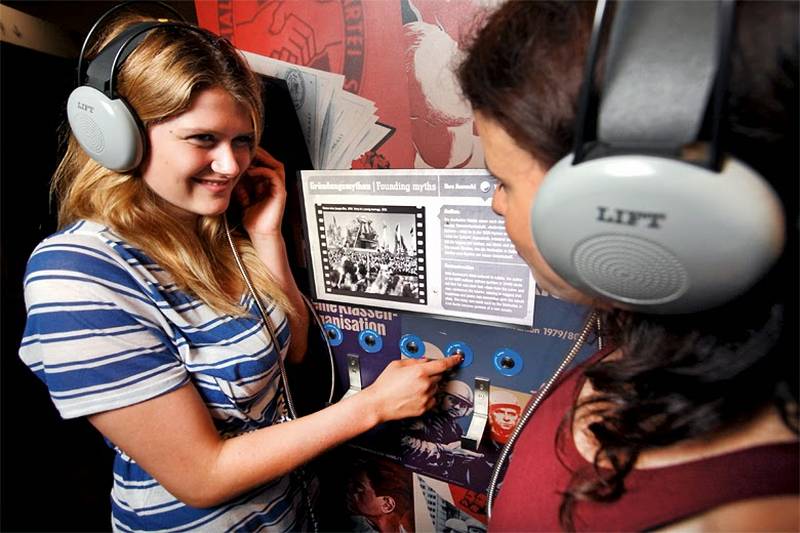
Dive into the history of the DDR with hands-on displays.

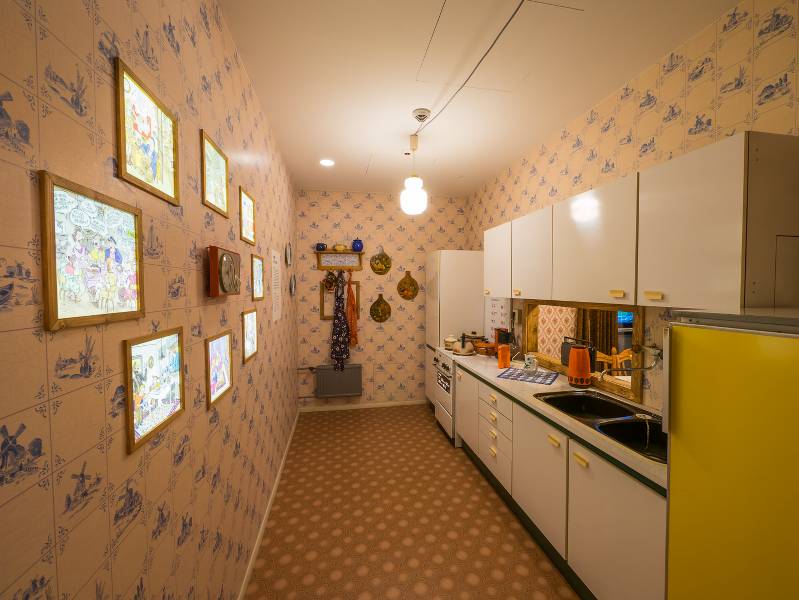
Explore a realistic communist-era apartment and everyday items.

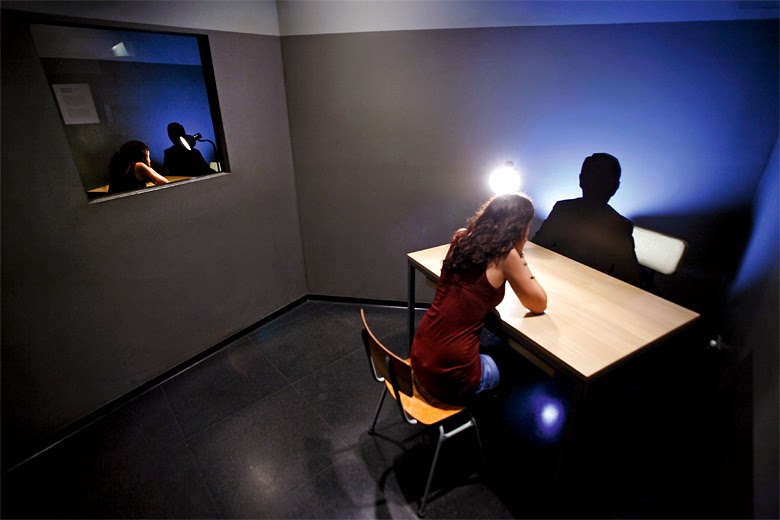
Engage with authentic Stasi surveillance experiences.

Exit through an original Berlin Wall fragment.

Enjoy an award-nominated museum with informative multilingual panels.
DDR Museum

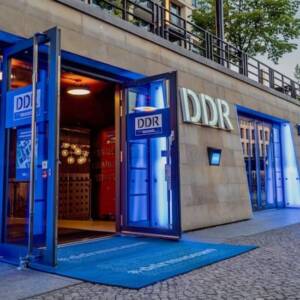
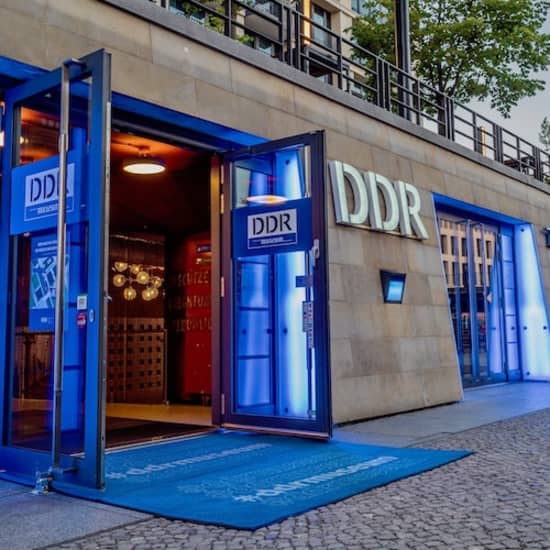
Located in the heart of Berlin opposite the iconic Berlin Cathedral, the DDR Museum offers an immersive exploration of everyday life in former East Germany. This interactive museum invites visitors to engage with authentic artifacts, recreated living spaces, and hands-on exhibits that vividly bring the GDR experience to life. Whether you are interested in history, culture, or family activities, the DDR Museum provides a unique and educational visit. Secure your tickets today to discover this distinctive cultural attraction and step back into a fascinating chapter of German history.

About DDR Museum

DDR Museum (Google Maps)

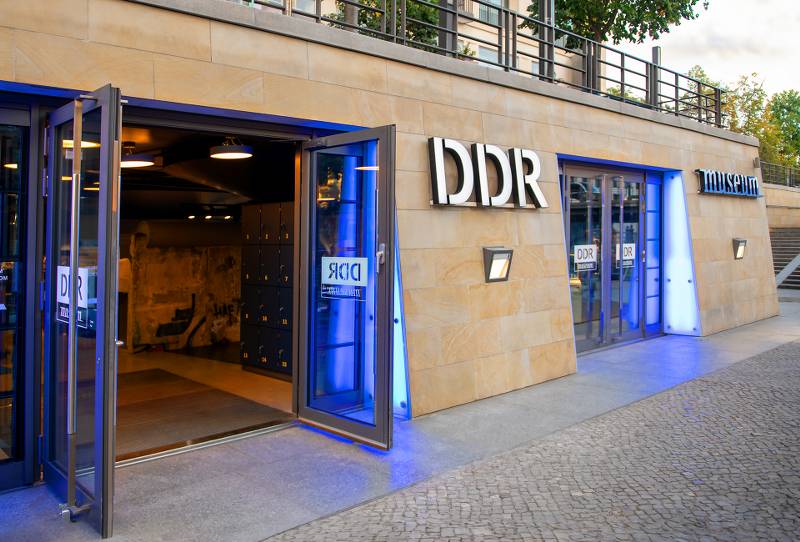
The DDR Museum in Berlin offers an engaging and immersive exploration into the everyday life and history of the German Democratic Republic (GDR). Situated on the banks of the river Spree opposite Berlin Cathedral, this interactive museum invites visitors to experience firsthand the realities of East Germany through original artifacts, recreated living spaces, and hands-on exhibits. Its unique combination of educational content with interactive installations makes it particularly appealing to families and young people.

As a privately funded institution, it stands out among Berlin’s museums for its focus on presenting a balanced, reflective portrayal of the former East German state, covering topics from political life and surveillance to culture and daily routines.

Annual visitors: Approximately 500,000
Founded: July 15, 2006

Why Visit the DDR Museum?

Immersive Everyday Life Experience

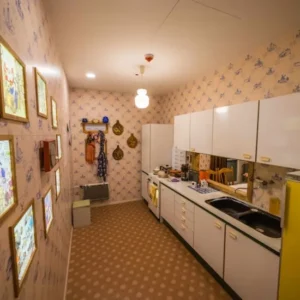
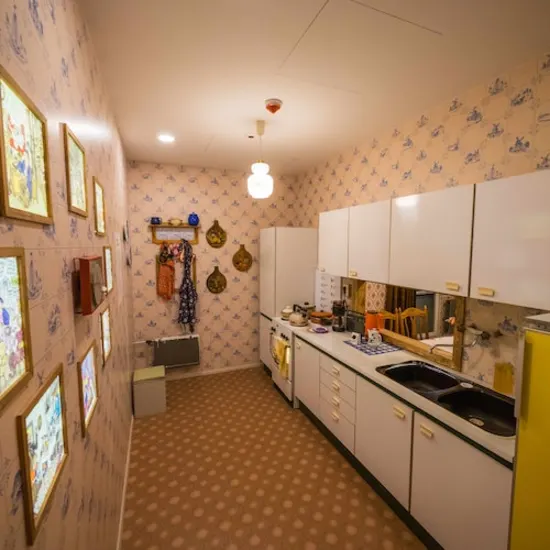
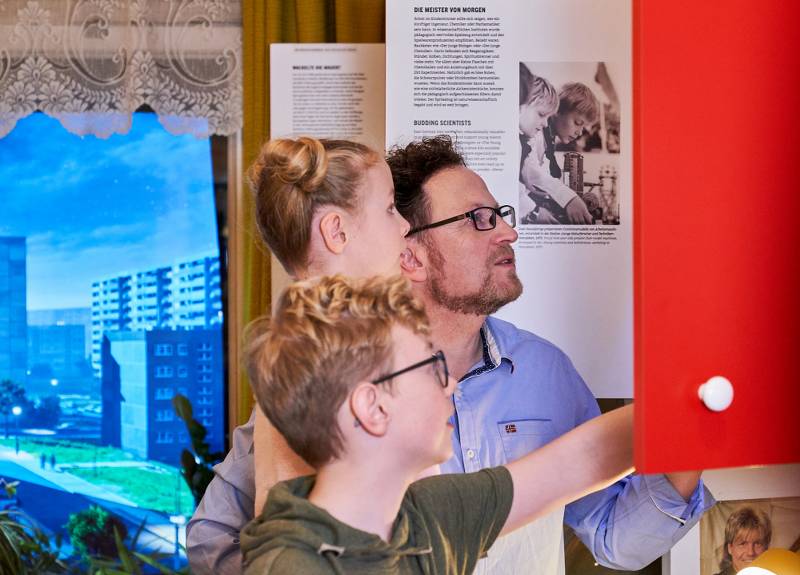
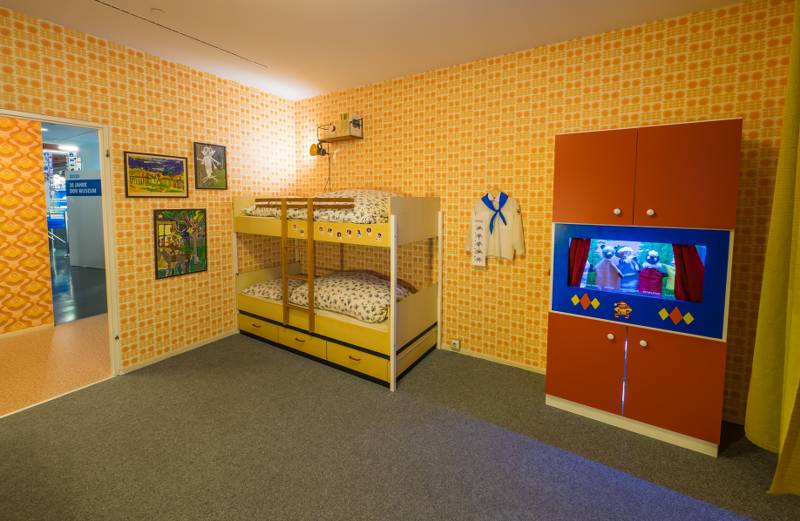
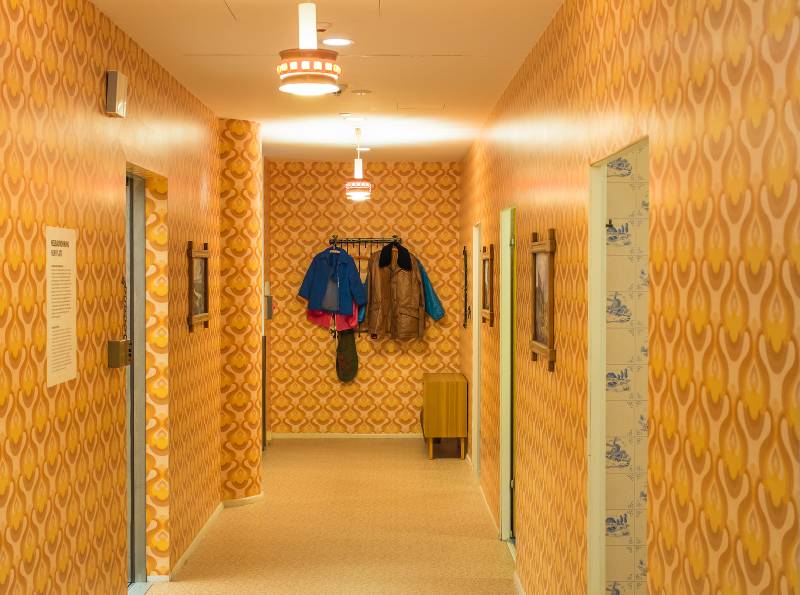
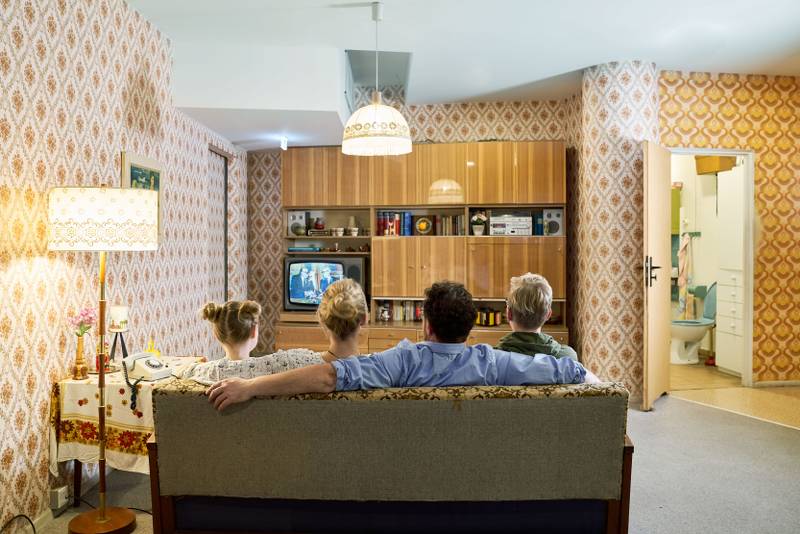
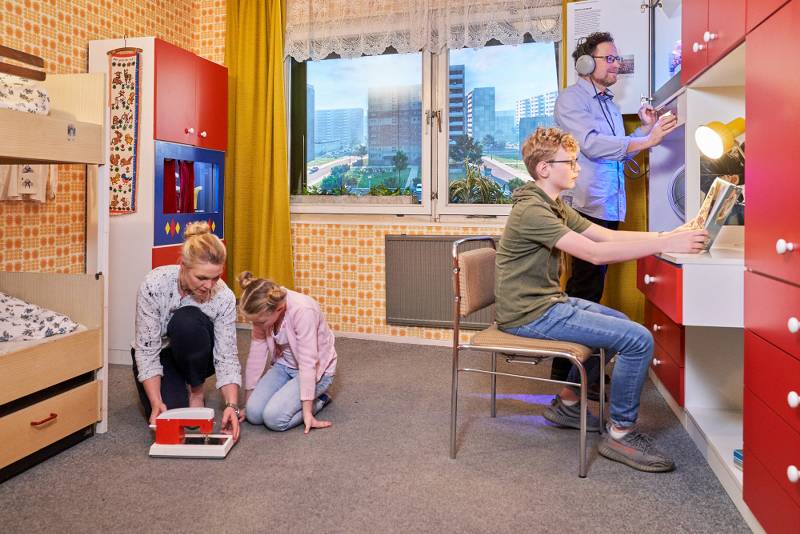
Step into a fully reconstructed original Plattenbau apartment to explore what daily life was like for East German families. Visitors can freely move through five rooms, including a children's room, kitchen, and living room, gaining a tangible sense of the domestic environment in the former GDR.

Interactive Trabant Driving Simulation

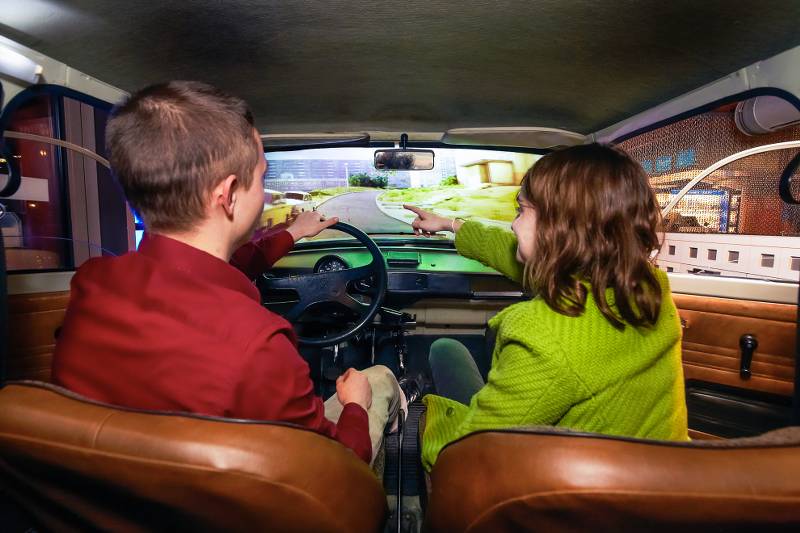
Experience a highlight of East German culture by taking the wheel of the iconic Trabant car in an engaging driving simulation. This interactive feature allows visitors to appreciate the significance of this vehicle as a symbol of mobility and everyday life behind the Iron Curtain.

Insight into Surveillance and Politics

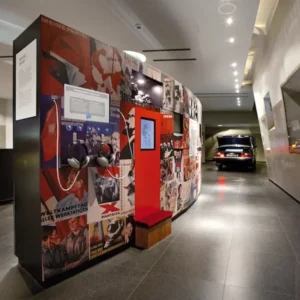
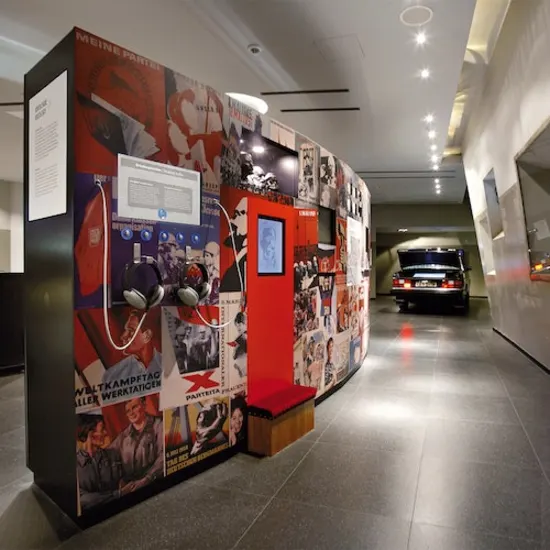
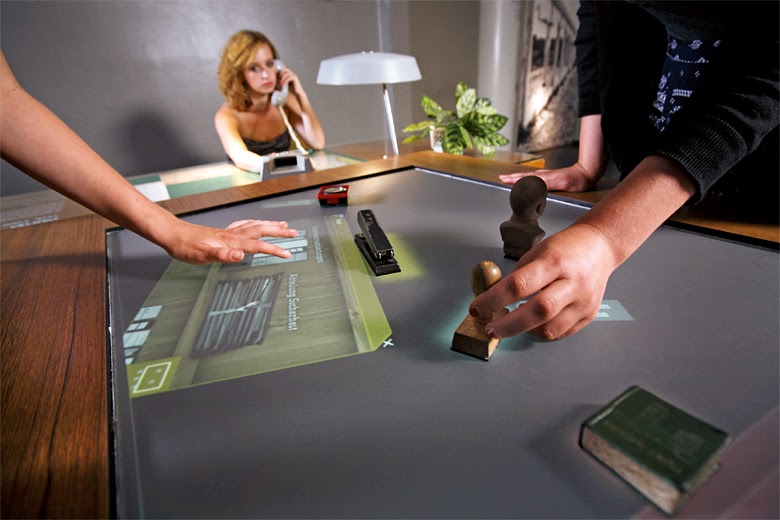
Discover the complex role of the Stasi and political power through dedicated exhibits such as a covert listening device and a “semicircle of power” display. These installations provide an in-depth look at state surveillance, ideological control, and the workings of the Socialist Unity Party.

Unique Historical Artifacts

Explore a vast collection containing over 360,000 objects, including original school books, a ministerial Volvo limousine, and a 1 megabit chip. The museum’s authentic items offer visitors a rare glimpse into the technological, social, and cultural aspects of the GDR.

Engaging Special Exhibitions and Workshops

Benefit from rotating special exhibitions covering diverse themes like DDR art, music, and social movements. Complementary workshops, guided tours, and educational talks enrich the visit, making it informative for both families and history enthusiasts alike.

Timings
DDR Museum (Google Maps)

The museum is open daily, 365 days of the year.

Monday - Sunday
9 AM - 9 PM

On 24 December and 31 December, the museum is open from 9 AM to 4 PM.

How to Get There?

DDR Museum (Google Maps)

The DDR Museum is conveniently situated in the heart of Berlin’s historic Mitte district, right on the banks of the River Spree.

Address:

Karl-Liebknecht-Straße 1
10178 Berlin, Germany

DDR Museum (Google Maps)

Berlin’s extensive network makes reaching the museum easy via multiple public transit options.

U-Bahn (Subway)

U5 Line: The closest stops are U Museumsinsel (approx. 4-minute walk) or U Rotes Rathaus (approx. 6-minute walk).

S-Bahn (Overground Train)

The nearest S-Bahn stations are Hackescher Markt (S3, S5, S7, S9 lines, approx. 7-minute walk) or Alexanderplatz (multiple lines, approx. 10-minute walk).

Tram

Tram lines M4, M5, and M6 stop at Spandauer Straße/Marienkirche, which is only a 4-minute walk from the museum entrance.

Bus

Take bus lines 100 or 200 to the Spandauer Straße stop, or bus line 300 to the Lustgarten stop.

DDR Museum (Google Maps)

If you arrive by car, paid parking is available at the nearby multi-storey car park located in the DomAquarée complex.

Note that central Berlin driving can be heavy, and public transport is highly recommended.

Landmarks: The museum is located directly opposite the Berlin Cathedral (Berliner Dom) and is part of the DomAquarée complex.

Things to Know Before Visiting

Book Tickets in Advance: As one of Berlin's most visited attractions, purchasing your tickets online ahead of time is highly recommended to avoid potential wait times.

Allow Enough Time: Visitors typically need between 1.5 to 2 hours to fully explore the numerous interactive and thematic exhibits.

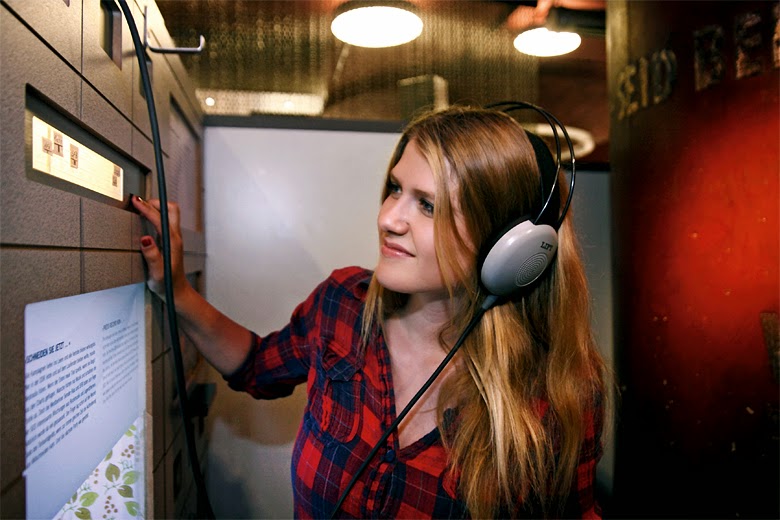
The Museum is Hands-On: Unlike many museums, visitors are actively encouraged to touch, open, and manipulate nearly all the objects and displays.

Central Location: The venue is situated directly opposite the Berlin Cathedral on the Spree River, making it easy to combine with other sightseeing.

Crowd Avoidance: The museum can be very busy, especially during peak seasons; consider visiting early in the morning or later in the evening to experience fewer crowds.

No Full-Service Café: There is no restaurant or café within the museum itself, although light packaged refreshments are available for purchase in the shop.

Accessibility Note: The main exhibition is barrier-free; however, the pathway leading up to the entrance from the Spree promenade has a steep ramp or stairs.

Parking is Paid: If you arrive by car, the closest parking is available for a fee at the nearby DomAquarée multi-storey car park.

Photography is Allowed: You are generally welcome to take photos throughout the exhibition, especially of the unique interactive set pieces like the Trabant.

Interactive Content is Bilingual: All explanatory texts and most interactive digital content are provided in both German and English.

Facilities
DDR Museum (Google Maps)

Free Wi-Fi access is provided throughout the DDR Museum, allowing you to stay connected during your visit.

A cloakroom is available for securing coats and bags, and a barrier-free restroom is also located within the museum.

Please note that the exhibition area can become quite crowded, especially during peak times and school holidays, which might make navigating with a pushchair or pram challenging.

While the main exhibition space does not permit eating or drinking, the museum offers a small selection of drinks, sweets, and ice cream available for purchase in the museum shop, which must be consumed outside the exhibition area.

Note that the former onsite DDR Restaurant, Domklause, has been converted into the popular reconstructed GDR apartment exhibit, but the museum often shares authentic GDR recipes on its blog for visitors who want to try cooking them at home.

Museum Shop

DDR Museum (Google Maps)

After your journey through the history of East Germany, the museum shop offers a wide selection of souvenirs, books, and quirky items that reflect the culture and products of the former GDR.

The shop specializes in items related to Ostalgie (nostalgia for the East), ranging from authentic reproductions of East German products to retro memorabilia.

You can find everything from original GDR toys and sweets to replicas of household goods, such as the famous bathing fish thermometer.

This is the ideal place to find a unique, themed gift or a tangible memory of the exhibition's engaging content.

Accessibility

DDR Museum (Google Maps)

Wheelchair Access (Exhibition): The entire permanent exhibition is designed to be barrier-free from the main entrance onward. All displays, interactive elements, and information texts are accessible to wheelchair users.

Accessible WC: A wheelchair-accessible toilet facility is available for visitors.

Assistance Animals: Guide dogs and officially registered assistance dogs are permitted throughout the museum. Please be prepared to present corresponding proof at the ticket desk upon entry.

Reduced Admission: Visitors with a severely disabled pass (proof required) are generally eligible for a concessionary (reduced) admission rate. If your pass includes a "B" designation for an accompanying person, that person usually receives free admission.

Interesting Facts about the DDR Museum

Unusually for a major Berlin cultural site, the museum is entirely privately funded and receives no state subsidies, relying purely on ticket and shop sales.

The museum’s concept was born when its founder, ethnologist Peter Kenzelmann, looked for a dedicated DDR museum in Berlin and discovered none existed.

Opened in 2006, the museum broke tradition by being one of the first in Berlin to encourage visitors to touch and actively manipulate the exhibits.

The museum was nominated for the prestigious European Museum of the Year Award twice, in both 2008 and 2012, highlighting its innovative approach.

The permanent collection is vast, featuring over 300,000 authentic objects focused on the minutiae of everyday life, rather than just high politics.

Visitors can open nearly all of the exhibition's drawers, doors, and cupboards to interact directly with the objects inside.

A major highlight is the Trabant P601 car, which visitors can sit in and use for a simulated driving experience through East Berlin.

The exhibition includes a detailed, fully furnished five-room Plattenbau (prefabricated apartment) from the 1980s.

A special exhibit features a Volvo 264 TE limousine, which was exclusively used by the political elite of the GDR, highlighting inequality.

The interactive exhibits cover over 27 themed areas, ranging from media and fashion to the intense surveillance by the Stasi.

A unique feature is the recreation of a prison cell and an interrogation room, providing a sense of the political repression.

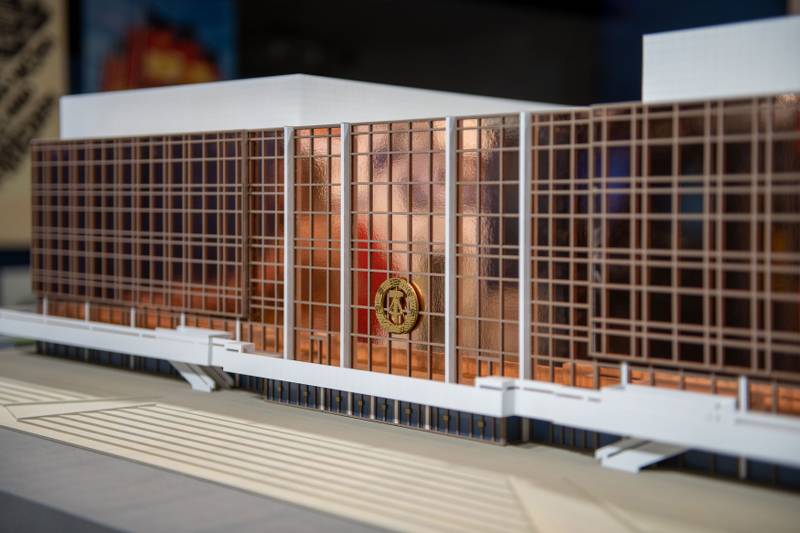
The museum houses the largest and most detailed model of the Palace of the Republic, the former GDR parliament building.

FAQs about the DDR Museum

What is the primary focus of the DDR Museum?

The museum offers an immersive and interactive look into the everyday life, culture, and social reality of the former East German state, the GDR.

When was the DDR Museum originally founded?

The institution was founded and opened its doors to the public on July 15, 2006.

Is the museum funded by the state or privately run?

Unusually for a major Berlin attraction, the DDR Museum is entirely privately funded and receives no government subsidies.

What makes the exhibition different from other history museums?

The DDR Museum is famously hands-on, encouraging visitors to touch, open, and interact with nearly all the objects on display.

How extensive is the museum's collection of artifacts?

The collection is vast, featuring over 360,000 unique objects related to daily life in the former East Germany.

Did the museum receive recognition for its exhibition design?

Yes, it was nominated for the prestigious European Museum of the Year Award twice for its innovative approach to history.

What is the notable reconstructed living space featured in the museum?

Visitors can explore a fully reconstructed five-room Plattenbau (prefabricated) apartment from the 1980s.

Is there a simulation activity available for visitors?

Yes, you can get behind the wheel of an authentic Trabant P601 car and experience a simulated drive through East Berlin streets.

Where exactly is the DDR Museum situated in central Berlin?

It is located in the Mitte district, directly on the River Spree, right across from the Berlin Cathedral.

What are the general operating hours of the museum?

The museum is open seven days a week, 365 days a year, from 9:00 AM to 9:00 PM, with slightly earlier closing times on holidays.

Is it necessary to book tickets in advance?

Pre-booking tickets online is highly recommended, as the museum is one of Berlin’s most visited attractions and can have long wait times.

How much time should I set aside for a visit?

Most visitors find that 1.5 to 2 hours is an appropriate duration to fully explore all of the interactive displays and exhibits.

Are assistance dogs allowed inside the venue?

Yes, guide dogs and officially registered assistance animals are permitted inside the museum.

Is there a café or restaurant located inside the museum?

There is no full-service restaurant or café, but light refreshments and drinks are available for purchase in the museum shop.

Is photography permitted within the exhibition area?

Yes, visitors are generally allowed to take photographs throughout the exhibition, especially of the interactive set pieces.

This website sells official tickets for this venue. Please note, however, that it is not the official website of the venue.

The images and videos on this website may contain visual elements that have been created or enhanced using AI technology. They are provided for illustrative purposes only.